
Caobos Method
Educación del siglo XXI
La EDUCACIÓN POR PROYECTOS es una metodología de enseñanza en la cual el alumno es el protagonista de su propio aprendizaje.
El proyecto se inicia con una pregunta que motive al estudiante y que no tiene una respuesta simple basada en información. Para resolver la pregunta es necesario un pensamiento crítico por parte del estudiante (juzgar entre alternativas, buscar el camino más eficiente, revisar evidencia, elaborar un plan, entre otros).
Te invitamos a conocer una de tantas exhibiciones de proyectos que hacen nuestros estudiantes cada año
Nuestra propuesta de educación académica prioriza los temas relacionados con la problemática global y busca generar conciencia social. Se trata de estudiar temas relevantes para el alumno y la sociedad.
Algunas características de la Educación por Proyectos:
Educación con relevancia
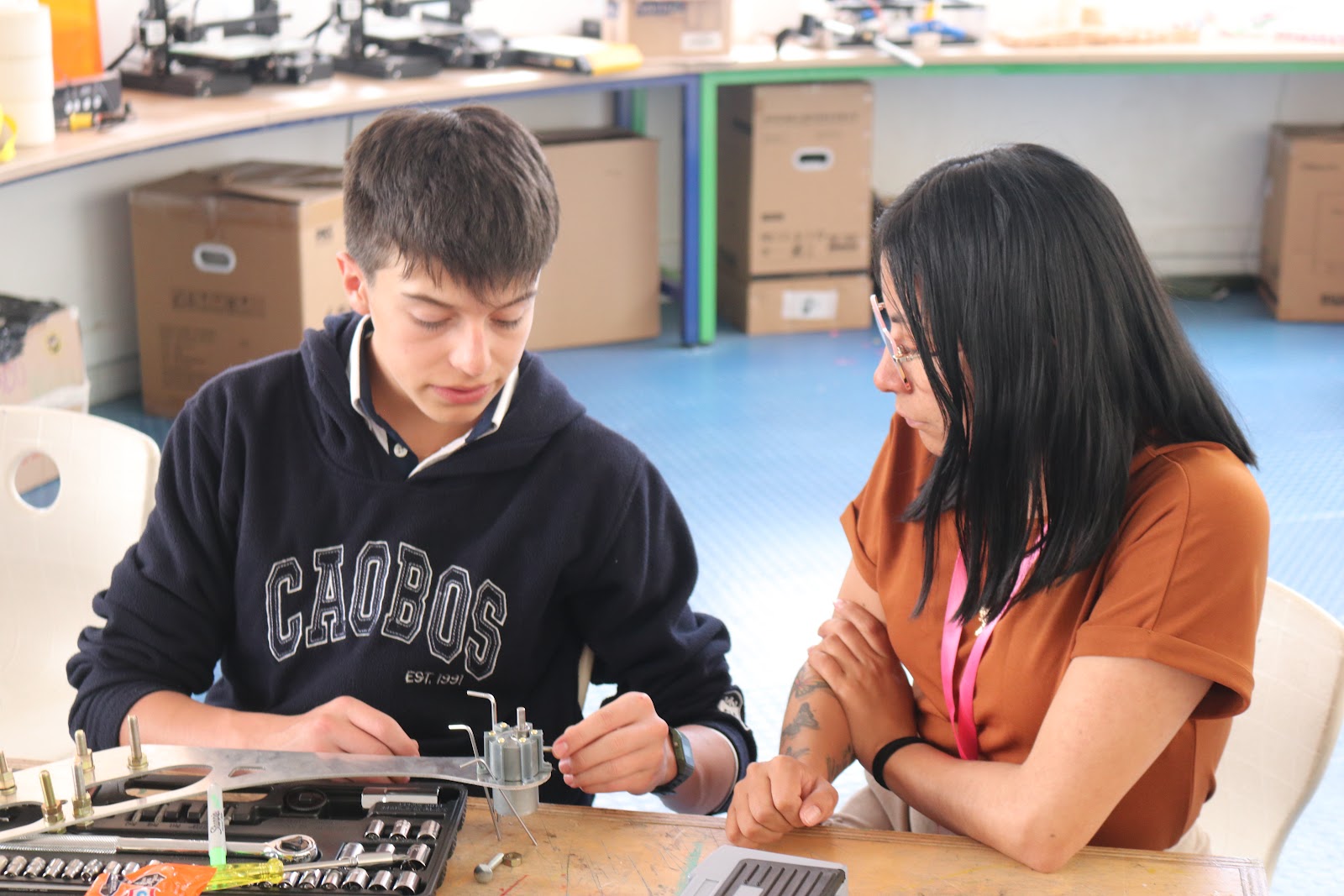
Una educación conectada a los intereses, las pasiones y los dones de los estudiantes. Con temas que los interesan. Que la curiosidad esté en el centro de la experiencia pero siempre garantizando que los temas estén dentro de lo académico.
.jpg)
El modelo tradicional presenta un espectro de conocimientos muy amplio sin ninguna profundidad. Nuestro modelo a diferencia de esto, se enfoca en crear experiencias más profundas de exploración en el aprendizaje.
Aprendizaje experiencial
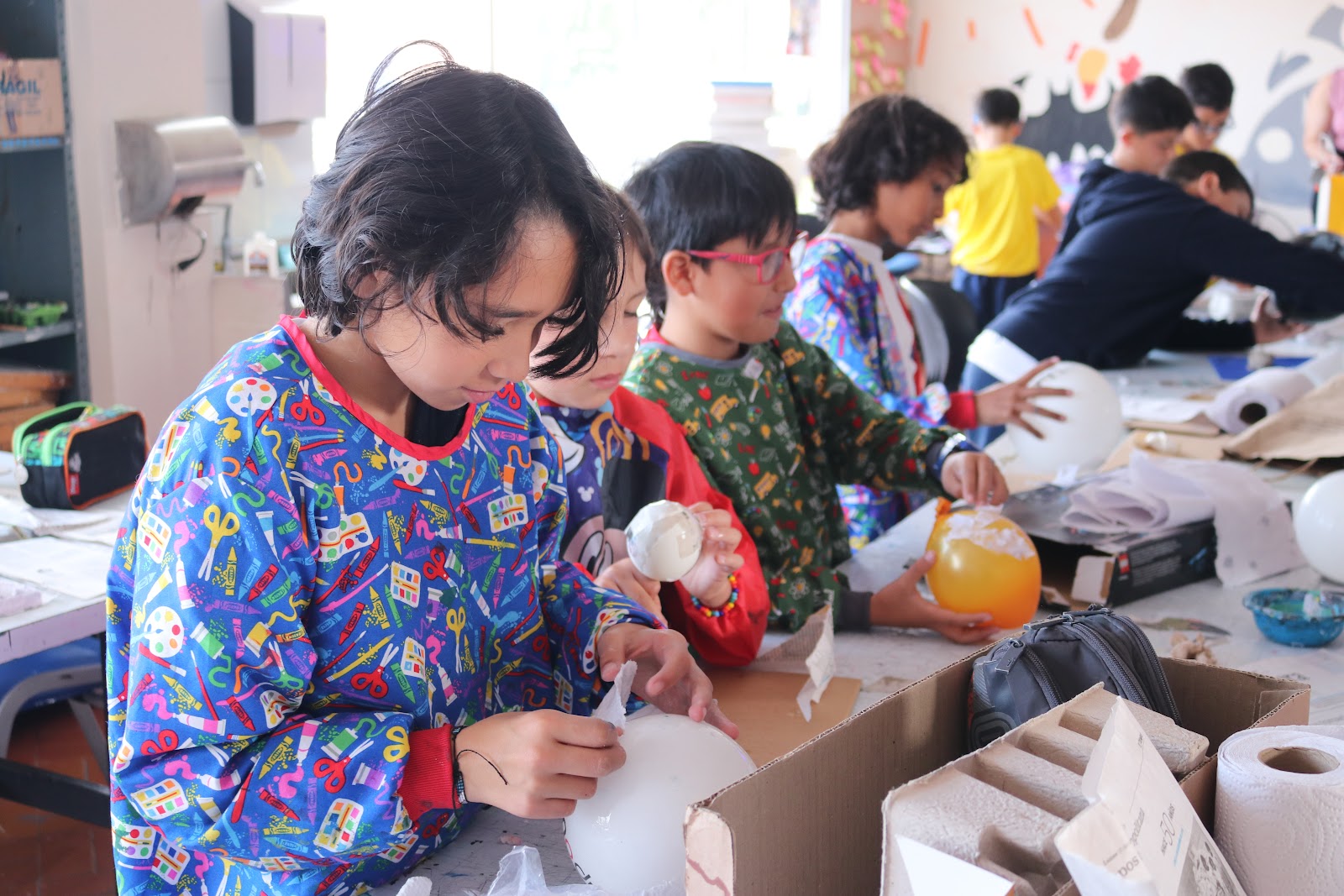
Una experiencia de aprendizaje a partir del hacer y del ser. Intentando nuevas cosas, probando y experimentando para que los estudiantes aprendan a equivocarse para aprender de los errores. Los profesores son guías del aprendizaje.
Gimnasio los Caobos.
Data Processing Policy —
Copyright © Gimnasio Los Caobos 1992 - 2025. Chía, Colombia.
Designed by: Brandy™
.JPG)
